Dreaming of Sri Lanka's ancient temples and the Maldives' turquoise lagoons? Timing your trip right makes all the difference. Read our complete 2026 guide covering the best months to visit, weather patterns, peak vs off-season, and money-saving travel tips.
Sri Lanka and the Maldives may be one of the two or three most magical travel combinations in the world. Ancient Buddhist temples, foggy hill country and golden beaches in Sri Lanka, followed by overwater bungalows, turquoise water lagoons and world-class diving in the Maldives. It's the ultimate Indian Ocean getaway. However, the best time to visit both Sri Lanka and the Maldives is the key to getting the maximum out of both. The weather differs between the two, so smart timing can be everything.
Although both Sri Lanka and the Maldives are tropical destinations in the Indian Ocean, each is affected by two monsoon seasons: the Southwest Monsoon (May to September) and the Northeast Monsoon (November to January). Knowing how these impact each destination individually helps you plan a perfect itinerary in combination.
The good news? There is a window when both destinations have good weather at the same time — and that's what makes a combined trip not just doable but truly amazing.
Best Time to Visit Sri Lanka
Being a year-round destination, the best time to visit Sri Lanka depends, however, on which part of this island you choose to explore. The island has two distinct climate zones: the west and south coasts, and the east coast, with dry and wet seasons at opposite times of year.
Sri Lanka (Colombo, Galle, Mirissa), West and South Coast
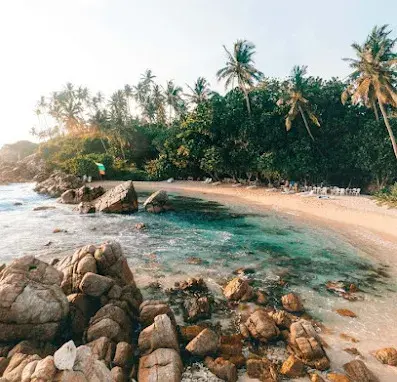
From November to April is the best time to visit the west and south coasts of Sri Lanka. This season offers dry, sunny weather and calm seas, ideal for beach vacations, whale watching in Mirissa, and visiting the UNESCO World Heritage city of Galle. December and January are peak season, so expect higher prices and bigger crowds at popular resorts.
East Coast of Sri Lanka (Trincomalee, Arugam Bay)
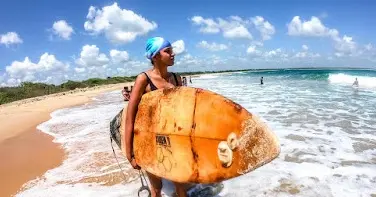
The East Coast turns the tables. The ideal time for a trip to Sri Lanka's east coast is between May and September, when the west coast enjoys the monsoon. Arugam Bay transforms into a world-renowned surf hub during this window, and the beaches of Trincomalee are at their absolute peak. This is Sri Lanka's best-kept secret: the rest of the island is quieter and a lot cheaper.
Sri Lanka Hill Country (Kandy, Ella, Nuwara Eliya)
Sri Lanka's spectacular hill country, home to misty tea plantations, the iconic Nine Arch Bridge in Ella and the Temple of the Tooth in Kandy, is best explored between January and April. This time of year, the skies are clearest, giving you the most dramatic panoramas over the highlands.
When Is the Best Time to Visit the Maldives
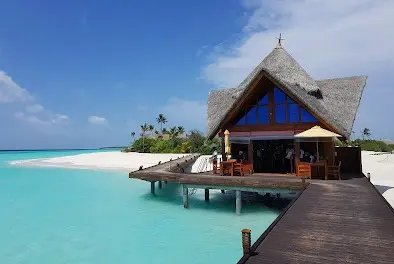
The best time to visit the Maldives is during the dry season, which runs from November to April. This period offers the classic Maldives experience, blazing sunshine, minimal rainfall, calm turquoise seas, and exceptional underwater visibility for snorkelling and diving. December to March is peak season and the most popular time for honeymooners and luxury resort guests.
The wet season in the Maldives runs from May to October, brought by the Southwest Monsoon. While this doesn't mean constant rain, the Maldives rarely experiences prolonged heavy downpours; you can expect more overcast days, occasional storms, and slightly rougher seas. The upside? Resort prices drop significantly, sometimes by 30 to 50 percent, making the wet season the best time to visit the Maldives on a budget.
When to Visit Sri Lanka and the Maldives Together
If you're piecing together a combined itinerary for both destinations, which we highly recommend, the best time to visit Sri Lanka and the Maldives is between November and March. This time, on the other hand, is when Sri Lanka's west and south coasts are sunny and dry, its hill country at its most photogenic, and the Maldives in peak dry season, with perfect beach-and-diving conditions.
December and January fall squarely at the center of this perfect window. Sure, it's peak season and prices will be high, but the weather in both places is unbeatable—estimated budget. If the budget is a concern, consider going in late November or early March to enjoy near-perfect conditions at slightly lower prices than during the peak Christmas and New Year period.
Month-by-Month Breakdown
November
A great month to start a dual voyage. Sri Lanka's western coast and hill country are now in dry season, and the Maldives is approaching its best weather window. Prices are lower than peak season, and an excellent value month for both destinations.
December to January
High season for Sri Lanka & the Maldives. Look for warm and dry conditions, flat seas, and great visibility. Christmas and New Year raise prices to their peak, but the weather and atmosphere are really magical. So book accommodation months in advance to come here during this time period.
February to March
The weather is still good all around Mexico and the Caribbean, with slightly smaller crowds than in December & January. February is more popular for honeymooners travelling to the Maldives. Whale watching off Mirissa in Sri Lanka is at its best in February and March, the ultimate bucket-list experience.
April
A transitional month. The Maldives is still mostly dry and beautiful in early April, and Sri Lanka starts to fall under the influence of the now-developing Southwest Monsoon towards late April. A good time to visit, me thinks, especially early in the month.
May to October
Both destinations see wetter weather during the Southwest Monsoon. The Maldives gets more rain but is still visitable and dramatically cheaper. In Sri Lanka, the east coast comes into its own, as this is the best time for visiting. Not the most perfect window for a combination trip if you want guaranteed sunshine, but ideal for budget shoppers willing to put up with the occasional rain.
Travel Tips for Visiting Sri Lanka and the Maldives
Fly into Colombo first. Most international flights transfer at Colombo's Bandaranaike International Airport. Stay in Sri Lanka first, then fly or take a seaplane transfer to the Maldives for a grand finale.
Book Maldives resorts early. Peak season resorts, particularly overwater bungalows, book out months in advance. Book your accommodation as early as you can.
Allow at least 10 to 14 days. Both destinations deserve proper time. A rushed trip will leave you wishing you'd stayed longer. Two weeks is the ideal minimum for a combined itinerary.
Pack light, breathable clothing. Both destinations deserve proper time. You'll regret a rushed trip by wishing you stayed longer. Two weeks is the suggested minimum for a combination itinerary.
Travel insurance is essential. Monsoon weather may lead to flight disruptions and activity cancellations. Always go for complete insurance coverage for weather changes.
Frequently Asked Questions
What is the best month to visit both Sri Lanka and the Maldives?
To do both Sri Lanka and the Maldives at once, December, January and February are your best months. Both destinations have dry, sunny weather for this time of year, with calm seas and great conditions for the beach, diving and sightseeing.
Can you visit the Maldives and Sri Lanka in the same trip?
Absolutely. Sri Lanka and the Maldives are often paired for an Indian Ocean escape. Most travellers devote 7 to 10 days in Sri Lanka, visiting the cultural triangle, hill country and beaches, before taking a direct flight to the Maldives for 4 to 7 days of hardcore relaxation.
Is it cheaper to visit the Maldives in the off-season?
Yes. Travelling to the Maldives between May and October, the wet season can lower resort prices by 30 to 50 percent compared with peak season. Although you'll see more rain, plenty of days are still sunny and underwater visibility remains fantastic for diving and snorkelling.
Final Verdict: When Should You Go?
The best time to visit is from November to March, with December to February the sweet spot for guaranteed sunshine across both destinations. Whether you're a honeymooner chasing overwater bungalow sunsets, a wildlife lover looking to catch blue whales lolling off the coast of Sri Lanka, or just a traveller in search of an Indian Ocean escape, this shoehorned-in time frame will guarantee that your trip is one for the ages. Get planning early, book your peak-season accommodation well in advance, and prepare for one of the most spectacular travel combinations in the world.
Sandaru Peiris is a traveler who’s explored 20+ countries over 6 years, sharing practical tips for affordable adventures. Based in Sri Lanka, Sandaru’s expertise in finding deals has been featured in Travel Pulse and guest posts on Nomadic Matt. Follow Sandaru’s journeys on Instagram @TripTrait for the latest budget travel hacks.
Wondering if Rome is safe for solo female travellers? From the Colosseum to Trastevere, Rome is absolutely doable alone with the right preparation. Read our honest 2026 guide covering safe areas, transport tips, and what to watch out for.
Planning a solo trip to Asia? Discover the safest solo traveller destinations in 2026 – from the peaceful streets of Japan to world-class safety credentials of Singapore